The Bitter Truth Behind Sugar
The sugar in our coffee and desserts may hide a bitter reality.
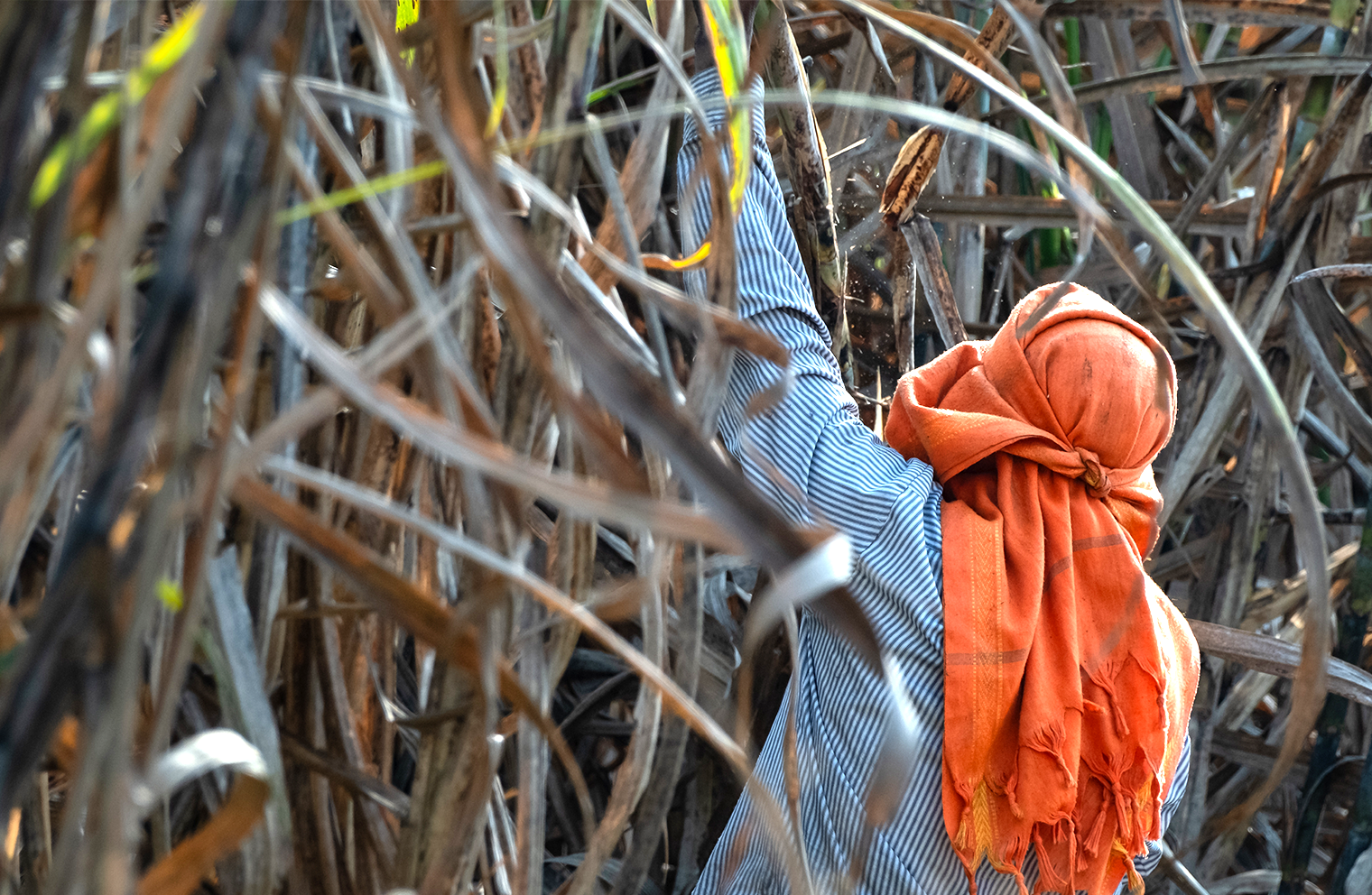
A recent investigation by the New York Times revealed the harsh realities faced by women working in the sugarcane fields of Maharashtra, India.1 Many are coerced into underage marriages so they can work alongside their husbands, while others become trapped in years-long debt to sugar mill contractors. In one of the most disturbing findings, a 2019 local government survey of 82,000 women reported that nearly one in five had undergone unnecessary hysterectomies — procedures pushed on them to avoid menstruation-related health issues that could interrupt their work. These extreme measures underscore the desperation to maintain continuous labor and repay crushing debts.
The exploitation extends to children as well. Each year, approximately 200,000 children migrate with their families to help harvest sugarcane.2 These children endure grueling physical labor and are deprived of regular schooling due to the nomadic nature of the work.
Together, these practices paint a grim picture of systemic abuse and vulnerability within the sugar supply chain, highlighting the urgent need for stronger protections and accountability.
Sugar production’s fragmented supply chain allows such exploitation to persist. When a supply chain is spread across numerous small producers, intermediaries and regions, monitoring and enforcing ethical standards can become particularly challenging. This lack of oversight creates conditions where practices such as child labor, forced labor, unfair wages and other abuses can continue unchecked.
Making Our Voice Heard
At GuideStone®, we want to see a world transformed by Christian investing. To us, financial stewardship extends beyond just financial returns. It involves utilizing investment assets to bring about real change in the world for God’s glory and the benefit of those he created.
No corporation is perfect. Even those that pass our rigorous Christian values screening process may have gaps in their policies or practices that can lead to less-than-desirable outcomes. We take a proactive approach to understanding these gaps and influencing companies toward positive change. It’s our opportunity to be the light of Christ in the corporate boardroom.
That’s why we’ve joined a broad coalition of investors, urging major sugar buyers to address human rights abuses in their supply chains. This alliance includes organizations such as BNP Paribas Asset Management, Christian Brothers Investment Services and the Northwest Coalition for Responsible Investment.
While we differ in faith traditions — and some members are not even faith-based — we share a commitment to human dignity. Together, we represent hundreds of billions of dollars in assets under management or advisement.
Shareholder advocacy is a powerful tool. By engaging companies directly, investors can demand transparency, accountability and systemic solutions.
This engagement offers an opportunity to showcase the benefits of Christian values in the business world. Human rights violations are not only a moral imperative but also a significant business risk. They can lead to reputational damage and operational disruptions. We believe Christian principles in business not only honor God but can also meaningfully contribute to long-term success.
Moving Toward Systemic Change
Our ultimate goal in engaging with these companies is systemic change. Specifically, we are working toward ending forced and exploitative labor by encouraging major sugar buyers to:
As a first step to advance these goals, the coalition has begun a letter-writing campaign to major sugar buyers. We invited companies to engage in constructive dialogue with us on these critical issues.
So far, we’ve had productive conversations with Unilever® and Nestlé®, which revealed both encouraging progress and ongoing challenges. Unilever shared its work with Oxfam® to develop a playbook for farmworker engagement, its efforts to strengthen worker voice and its requirement that all suppliers endorse its Responsible Partner Policy (RPP). Nestlé highlighted its strides in supply chain mapping and its collaboration with the Indian Sugar & Bio-Energy Manufacturers Association (ISMA) to create a “code of conduct” for sugar mills.
Despite ongoing challenges such as supplier resistance and political uncertainty, both companies demonstrate a commitment to long-term, collective solutions.
A Commitment to Engagement
Ending forced and exploited labor in sugar supply chains requires more than quick fixes. It demands structural reform, and GuideStone remains committed to ongoing engagement and collaboration to hold companies accountable and promote transparency throughout their supply chains.
We believe that God created everyone for a life of opportunity, flourishing and meaning. God gave work as a gift to humanity, not as a tool for exploitation (Genesis 2:15).
Faith-based investing can contribute to a world in which all people can work well and live dignified lives. We believe that making the Christian voice heard in the marketplace through thoughtful engagement can lead to a transformed world.
To learn more about how GuideStone multiplies Kingdom impact through Christian investment solutions, contact your advisor consultant today.
There can be no guarantee that any strategy (risk management or otherwise) will be successful. All investing involves risk, including potential loss of principal. Past performance does not guarantee future results.
Funds invested in accordance with the faith-based investment restrictions of GuideStone Financial Resources may not be able to take advantage of certain investment opportunities due to these restrictions, which may adversely affect investment performance.
You should carefully consider the investment objectives, risks, charges and expenses of the GuideStone Funds® before investing. A prospectus with this and other information about the Funds may be obtained by calling 1-888-GS-FUNDS (1-888-473-8637) or visit GuideStoneFunds.com/Funds to view or download a prospectus. You should read the prospectus carefully before investing.
GuideStone Funds shares are distributed by Foreside Funds Distributors LLC, not an adviser affiliate. Foreside is not a registered investment adviser and does not provide investment advice.
 Article
• Feb 20, 2026
Article
• Feb 20, 2026